

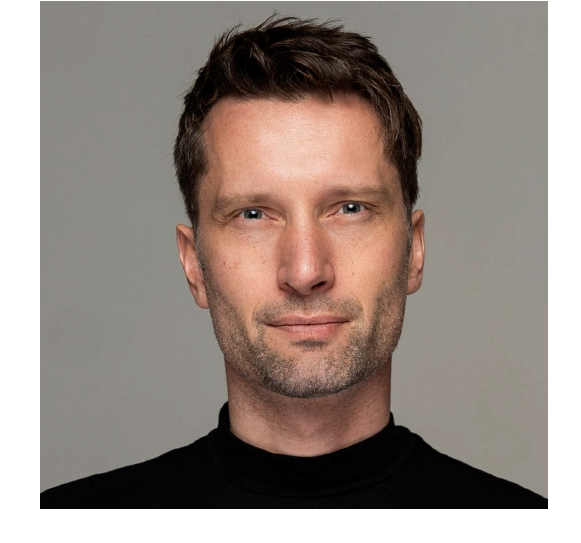
Blue Cross and Blue Shield Endowed Chair in Health Disparities
The health disparities effort at the University of Florida focuses on the successful translation of basic, clinical, and social-behavioral research into health promotion and prevention efforts to eliminate lifestyle-related health disparities. Using a culturally sensitive, health empowerment approach, faculty will endeavor to reduce health disparities in Florida by such activities as promoting healthy lifestyles (e.g., healthy eating, physical activity and stress management) and reducing health risk behaviors (e.g., smoking and treatment non-adherence) across the lifespan, particularly among members of racial or ethnic minority, low-income, medically underserved, and rural/urban at-risk communities in Florida.
The Happiness of Conservatives and Liberals
Psychological Well-Being in Young Adulthood and Midlife.
Dr. Burcu Demiray, a recent graduate of the Department of Psychology, Development Area, is the 2011 recipient of the Gerontological Society of America’s Behavioral and Social Sciences Dissertation Award. This national award is presented to the doctoral student in behavioral and social sciences whose dissertation excels in contributing to the literature on adult development and aging. Award criteria include that the dissertation is original and creative, is clearly theoretically grounded, and provides a high quality empirical review of the literature. Dr. Demiray’s winning paper, “Time Since Birth and Time Left to Live: Future Time Perspective and Psychological Well-Being in Young Adulthood and Midlife” shows that a person’s chronological age and their perception of future time left to live are opposing forces influencing their current psychological well-being. Middle-aged individuals showed higher levels of various types of well-being (e.g., self-acceptance, autonomy) than young adults. The findings suggest that in late midlife, people can optimize psychological well-being to the extent that they maintain a positive, open-ended sense of the future. Those in young adulthood also gain psychological well-being from their general tendency to view the future as open-ended and full of possibility, but their actual chronological age acts as a disadvantage for well-being. Burcu Demiray is originally from Istanbul, Turkey and was mentored as an international PhD student in Dr. Susan Bluck’s Life Story Lab. She is now a Postdoctoral Research Fellow at the Department of Psychology, University of Zurich, Switzerland. Her program of research is grounded in life span developmental psychology with a focus on goal-orientation and social-cognitive approaches to autobiographical memory across adulthood. Gregory D. WebsterCan Uniform Color Color Aggression?Professor of Psychology
In a scholarly paper recently published online, a research team led by University of Florida psychologist Gregory D. Webster analyzed 25 years of penalty-minute data from the National Hockey League and found a correlation between one-ice aggression (assessed by referees) and players' uniform (jersey) colors. “When teams wore black jerseys, they were penalized more than when they did not,” they write in the journal Social Psychological and Personality Science. “When teams switched to wearing colored jerseys at home games, they were penalized more than when they wore white jerseys at home games.” The authors conclude that, “Collectively, these quasi-experimental findings suggest that black jerseys are associated with more aggression, and that white jerseys are associated with less.” Nevertheless, Webster and his colleagues caution that, "Whether the color-aggression effects are due to the uniform wearer, the opposing player, the referee, or all three, remains an open question.” |
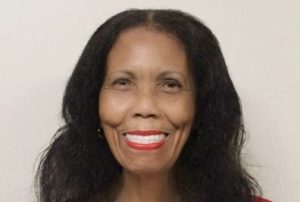
We are delighted to announce that Dr. Carolyn M. Tucker has been named the first Blue Cross and Blue Shield Endowed Chair in Health Disparities at the University of Florida. This is endowed by a $1.5M gift from Blue Cross and Blue Shield to the University of Florida. In this new role, Dr. Tucker will have the opportunity to guide UF’s cross-disciplinary work in health disparities, including work to transition the UF Health Disparities Research and Intervention Program to the status of a Center. The Blue Cross and Blue Shield of Florida Endowed Chair in Health Disparities will be the face of health disparities research at the university and will be expected and encouraged to be the primary contact with key state and national legislators, federal funding agencies and state and national media on the subject, thus providing leadership not only to the University of Florida, but to the state and national community as well.
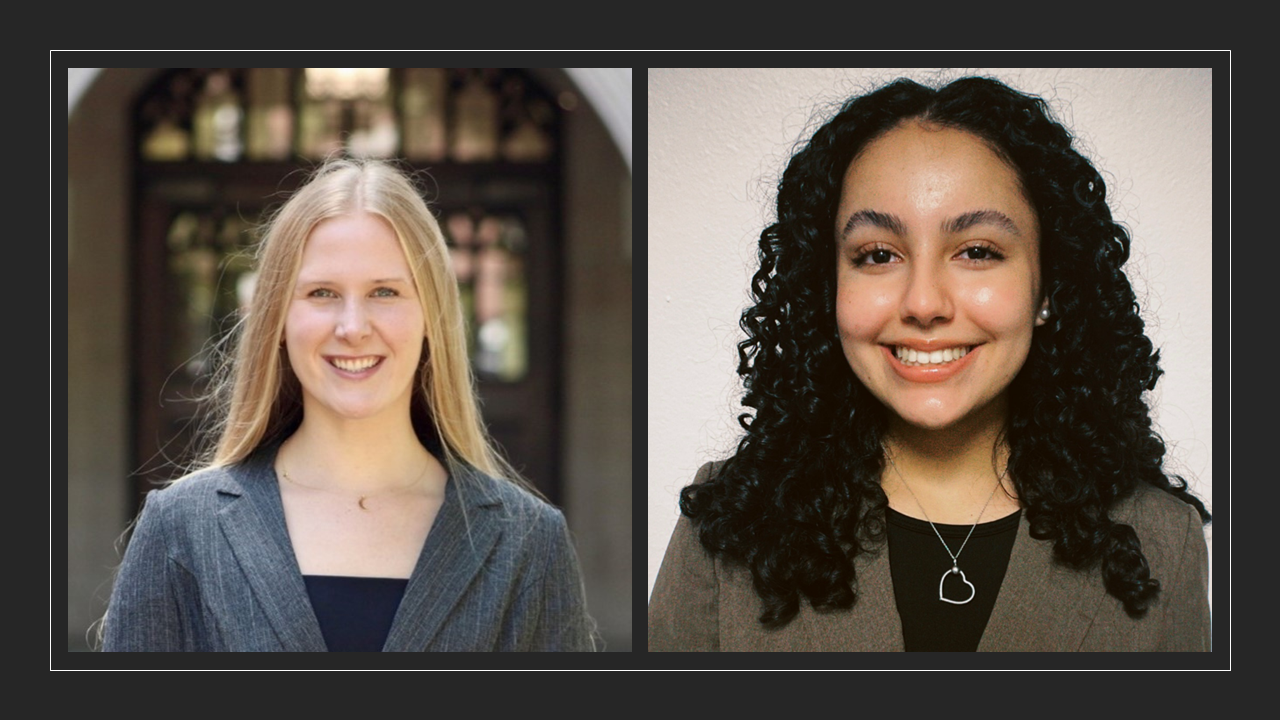
Political conservatives generally report greater satisfaction with life than political liberals. In a paper recently published in the Journal of Research in Personality, UF Psychology Professors John Chambers and Barry Schlenker and graduate student Bonnie Le, looked at personality characteristics and values of conservatives and liberals that may explain this happiness gap. Using survey data from both UF college students, and large-scale, nationally-representative samples of American adults, they found that conservatives report a stronger sense of personal responsibility and control, more positive outlook on life and greater feelings of self-worth, and greater moral transcendence (i.e., more traditional religious beliefs, more committed to universal moral principles, and less tolerant of moral transgressions) than liberals, even after controlling for demographic variables such as age, gender, education, and income level. These personality, value, and attitude differences each accounted for the happiness gap between conservatives and liberals. In addition, conservatives reported greater satisfaction than liberals in specific life domains (e.g., marriage, family life, job, health, and friendships), better mental health, and fewer mental and emotional problems. Their research suggests that conservatives have specific personality qualities that lend themselves to happiness and well-being, and challenges conventional psychological descriptions of conservatives as irrational, fearful, defensive, and motivated by feelings of threat and loss. To obtain a copy of the paper, email Dr. John Chambers (
This e-mail address is being protected from spambots. You need JavaScript enabled to view it.
)